District of Columbia Bankruptcy
📅 2026 Update: Key Changes in District of Columbia Bankruptcy
Since the original article was published, several important updates have occurred regarding bankruptcy laws and related fees. These updates impact individuals considering filing for bankruptcy in the District of Columbia and beyond. The earlier article continues further down the page, providing a comprehensive overview of bankruptcy topics.
💰 Chapter 7 and 11 Filing Fees
As of December 1, 2023, bankruptcy filing fees have been updated nationwide. The Chapter 7 filing fee is now $338, while the Chapter 11 filing fee increased to $1,738. These fees are essential for individuals preparing to file for bankruptcy, and staying informed about the costs can help in budgeting for the process.
📄 Current Costs for Chapter 13
The Chapter 13 filing fee has also been updated and is now set at $313 nationwide. Understanding these fees is crucial for those looking to file under Chapter 13, as it involves a repayment plan that can last from three to five years. Accurate budgeting ensures that filers can meet their financial obligations during this period.
⏳ Processing Times
Filing for bankruptcy can often be a lengthy process. For Chapter 7 bankruptcy, the discharge is typically granted within three to six months. In contrast, Chapter 13 bankruptcy involves a repayment plan that ranges from three to five years, depending on the individual's income and debt levels.
Knowing these timelines can help individuals prepare for the responsibilities ahead.
📋 Important Filing Steps
When filing for bankruptcy, specific steps must be followed. This typically includes completing the bankruptcy petition, attending a 341 meeting of creditors, and finishing a financial management course. Ensuring all these steps are followed accurately is vital to avoid delays in the process.
📌 Key Points Summary
- 💰 Chapter 7 filing fee is now $338.
- 📄 Chapter 11 filing fee increased to $1,738.
- ⏳ Chapter 7 discharges typically occur within three to six months.
- 📋 Important steps include the bankruptcy petition and a financial management course.
- 🗓️ Chapter 13 repayment plans last from three to five years.
💡 Tips for Navigating Bankruptcy
Review the details of your situation with your attorney to understand the best path forward.
💡 Understand the Means Test
The means test is a requirement for Chapter 7 bankruptcy. It assesses your income and expenses to determine eligibility. Familiarizing yourself with this test is crucial for a successful filing.
💡 Know Your Exemptions
Each state has specific exemptions that protect certain assets during bankruptcy. Understanding these exemptions can help you safeguard essential property, such as your home or vehicle.
💡 Attend the 341 Meeting
Debtors must attend the 341 meeting of creditors, which typically occurs about a month after filing. This meeting is essential for discussing your bankruptcy case with creditors and the bankruptcy trustee.
💡 Complete Financial Management
Before receiving a discharge in Chapter 7 and Chapter 13, you must complete a financial management course. This course helps you learn how to manage your finances better after bankruptcy.
💡 Rebuild Your Credit
Bankruptcy can impact your credit score for up to 10 years. However, rebuilding your credit is possible through secured credit cards and timely bill payments. Staying proactive can lead to improved credit over time.
🏆 Services Ranked by User Reviews (2026)
In the context of bankruptcy, various services can assist individuals in navigating the process. These services include legal document preparation and debt relief assistance. The following rankings are based on Trustpilot data checked in October 2026.
Keep in mind that ratings can fluctuate, and unhappy customers often leave more reviews, which can skew perceptions.
🥇 1. LawDepot
LawDepot has been rated 4.0. This service is known for providing legal document preparation and affordable legal forms, which can be useful for individuals filing for bankruptcy. However, some users note limited customer support and occasional document errors, which could impact the filing process.
🥈 2. National Debt Relief
National Debt Relief holds a 4.5 rating. This service is recognized for its debt relief services and consumer financial assistance, which can be beneficial for those facing financial challenges before considering bankruptcy. Some reviewers mention unexpected fee deductions and administrative charges, so it's essential to review terms carefully.
🆓 Free Government or Nonprofit Help
Legal aid organizations provide free or low-cost assistance in bankruptcy matters. The U.S. Trustee Program also offers resources and information about bankruptcy procedures.
These options can be valuable for individuals looking for guidance without incurring additional costs.
🔎 Factors to Compare When Choosing Services
- 📄 Service offerings and types of assistance available.
- 💬 User ratings and feedback from past clients.
- 💵 Cost structures and any potential hidden fees.
- 🕒 Processing times for document preparation or debt relief.
- 📞 Availability of customer support and resources.
❓ Frequently Asked Questions
❓ What is the automatic stay in bankruptcy?
The automatic stay provides immediate relief from creditors as soon as bankruptcy is filed. It halts actions like foreclosure, repossession, and collection efforts for most debts.
❓ How does bankruptcy affect my credit score?
Bankruptcy can stay on your credit report for up to 10 years. Its impact on your score varies, but rebuilding is possible through responsible financial practices.
❓ What happens if I miss a deadline in my bankruptcy case?
Missing a deadline can lead to case dismissal or complications in your bankruptcy process. It is crucial to adhere to all court-imposed timelines to avoid negative outcomes.
❓ Are all debts dischargeable in bankruptcy?
Not all debts are dischargeable. Certain obligations, like student loans or child support, typically cannot be eliminated through bankruptcy.
❓ Can I keep my home during bankruptcy?
In many cases, you can keep your home if you meet state exemptions and continue making mortgage payments. Understanding your state's laws is essential.
❓ What is a reaffirmation agreement?
A reaffirmation agreement allows you to keep certain property by agreeing to continue payments on that debt post-bankruptcy. The court must approve these agreements.
⚖️ Recent Cases Related to Bankruptcy
Recent court rulings can influence bankruptcy law and procedures. These cases provide insights into how courts interpret laws and handle various bankruptcy matters.
- Court Dismisses Claims Against U.S. Trustee Attorney in Bankruptcy CaseDistrict Court, District of Columbia · June 16, 2026
- Court rules on bankruptcy petition standards in D.C. caseDistrict Court, District of Columbia · September 10, 2026
- Court upholds conditional discharge revocation for RoneyCourt of Appeals for the Fourth Circuit · August 14, 2026
- Court grants remand in military discharge case Jackson v. PhelanDistrict Court, District of Columbia · August 12, 2026
For more recent rulings, feel free to browse more rulings on the news page.
End of October 2026 Update
All About District of Columbia Bankruptcy Laws
Filing for District of Columbia Bankruptcy
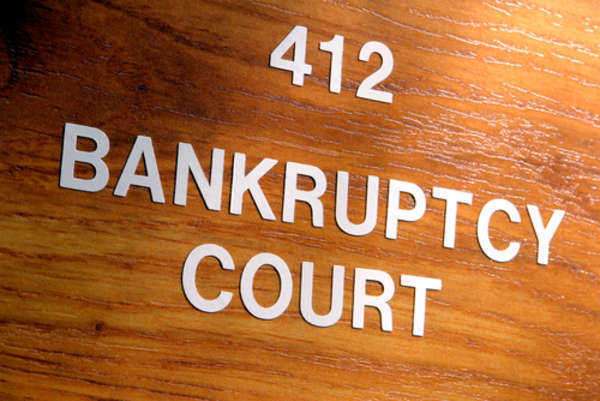
The United States Bankruptcy Court for the District of Columbia is located at 333 Constitutional Avenue, N.W., and anyone wishing to file for bankruptcy should acquaint themselves with it, as all District of Columbia bankruptcy hearings will be held there and applicable forms can also be found at the court. However, before visiting, you should have a good idea of what bankruptcy services you need and whether the service at all will be of use.
The many forms needed to file for District of Columbia Bankruptcy call all be found at the Court’s website or obtained in person at the court. Be forewarned that the system can be quite byzantine. A checklist of the required federal forms is available here: https://www.uscourts.gov/uscourts/RulesAndPolicies/rules/BK_Forms_Current/B_200.pdf. Those looking for the many local forms required by the court should go to their page here:
You should also know in advance that one of the forms required by the government to be filled out is a certification of proof that an individual filer has completed a credit counseling program. Businesses do not qualify for this requirement, but they do need to have official legal representation while individuals can file pro se or without an attorney.
Corporate District of Columbia Bankruptcy
It is not unusual for businesses to find themselves beached with seemingly insurmountable debt, and it is for them that District of Columbia bankruptcy laws offer a helpful push back into freedom. There are two types of corporate District of Columbia bankruptcy:
• Chapter 11: This type of District of Columbia bankruptcy is best for businesses that hope to be profitable again in the future. The court helps them to hold onto their assets as a reasonable repayment schedule is created with the help of the judges and the representation of all interested parties.
• Chapter 7: This form of District of Columbia bankruptcy should only be pursued by businesses who’ve lost all faith that their business could ever be profitable. They give up rights to most of their property, which is then sold by the court to be turned into liquid funds that can be given to creditors such as banks and other investors.
Personal District of Columbia Bankruptcy
Individuals are also often faced with the task of paying off large amounts of debt and find themselves, through no fault of their own, unable to meet those demands. It is for them that District of Columbia bankruptcy law was created, and there are several options for individuals to choose from.
• Chapter 7: This popular type of District of Columbia bankruptcy is also available to individuals. As the court will do with a business, it will possess and liquidate a person’s assets so that the resulting funds can be used to pay creditors. This is a great option if you have little property but high debts, if for instance you have a big credit card bill rather than a big mortgage.
• Chapter 13: Only individuals whose incomes fall below the mean for the District of Columbia or who pass a Means Test can file for Chapter 7 District of Columbia bankruptcy. Others should file for Chapter 13, where the court offers to pause all debt payments while a regular debt schedule is devised that all sides can be happy with. Payments are usually taken from the filer’s discretionary income. Income levels are also capped for Chapter 13 District of Columbia bankruptcy, but these levels are much higher than with Chapter 7.
• Chapter 11: Certainly a rare option, some individuals with more than $1,000,000 in debt may choose to file the same type of Chapter 11 bankruptcy that is popular with businesses.
Tax Debt
One should be warned that individuals seeking tax debt relief through District of Columbia bankruptcy must fight an uphill battle, as most District of Columbia bankruptcy law doesn’t apply to tax debt. Consult a District of Columbia bankruptcy lawyer to learn more.