Hawaii Bankruptcy
📅 2026 Update: Key Changes in Hawaii Bankruptcy Law
Since the original article was published, there have been notable updates to bankruptcy laws and procedures. These changes include increased filing fees and adjustments to various exemptions. Readers can find the earlier article further down the page for more in-depth information.
💰 Bankruptcy Filing Fees
As of December 1, 2023, bankruptcy filing fees have been updated nationwide. The Chapter 7 filing fee is now $338, reflecting an increase from previous years. The Chapter 11 filing fee has also risen to $1,738.
This means individuals seeking bankruptcy relief should be prepared for these higher costs.
- 📈 Chapter 13 Filing Fee: The fee for Chapter 13 bankruptcy has been set at $313. This fee applies across the nation and is crucial for those considering this route.
🏡 State-Specific Exemptions
Exemptions are vital in bankruptcy as they protect certain assets. While the article discusses the importance of these exemptions, it is essential to note that they can vary significantly by state. For instance, Minnesota's homestead exemption will increase to $540,000 for residential properties and $1,350,000 for agricultural land starting July 1, 2026.
- 💼 Wildcard Exemption: This exemption allows individuals to protect property up to a specific value, but the amount depends on state laws, which is important for those filing in different jurisdictions.
⏰ Processing Times and Deadlines
The time it takes to process bankruptcy cases can impact individuals significantly. For Chapter 7 bankruptcy, debt discharge typically occurs within three to six months. In contrast, Chapter 13 plans can extend from three to five years based on income and debt levels.
- 🗓️ 341 Meeting Attendance: Debtors are required to attend a meeting of creditors, usually scheduled about a month after filing. This step is crucial for the bankruptcy process.
📜 Free Help and Resources
Several organizations can assist individuals facing bankruptcy. Legal aid organizations offer free or low-cost help, but availability may vary by state. The U.S.
Trustee Program also provides useful resources and information regarding bankruptcy procedures.
📌 Key Points to Remember
- 💵 Bankruptcy Filing Fees: Chapter 7 is $338, Chapter 11 is $1,738, and Chapter 13 is $313.
- 🏡 State Exemptions: Vary widely; Minnesota's homestead exemption is set to increase in July 2026.
- ⏰ Processing Times: Chapter 7 discharges take three to six months; Chapter 13 plans last three to five years.
- 🤝 Free Assistance: Legal aid and the U.S. Trustee Program offer resources.
- 📅 Deadlines: Attend the 341 meeting after filing to keep the process moving.
💡 Tips for Navigating Bankruptcy in Hawaii
Reviewing your specific situation with an attorney is important to understand your options fully.
📑 Understand the Means Test
The means test is a key factor in qualifying for Chapter 7 bankruptcy. It assesses your income and expenses to determine eligibility. Familiarize yourself with the test to prepare for filing.
🏠 Know Your Exemptions
Different states have distinct exemptions that protect your property during bankruptcy. Research Hawaii's laws to understand which assets you may be able to keep.
📆 Stay on Top of Deadlines
Missed deadlines can lead to case dismissal. Ensure you complete the means test before filing and attend your 341 meeting, which is usually scheduled about a month after filing.
💳 Rebuilding Credit
After bankruptcy, rebuilding credit is possible. Consider using secured credit cards and making timely payments to improve your credit score over time.
📚 Take Required Courses
Debtors must complete a financial management course before discharge. This step is essential for understanding financial responsibilities moving forward.
🏆 Services Ranked by User Reviews (2026)
This section covers services related to bankruptcy and debt relief that can assist individuals navigating their options. The rankings are based on Trustpilot data reviewed in October 2026. Ratings can fluctuate, and unhappy customers may leave more reviews, so it is essential to consider a variety of factors when evaluating these services.
🥇 1. LawDepot
LawDepot has been rated 4.0 on Trustpilot. The service is known for preparing legal documents and providing affordable legal forms. However, some users have reported issues with limited customer support and occasional document errors, which could impact the reliability of the forms for bankruptcy filings.
🥈 2. National Debt Relief
National Debt Relief holds a 4.5 rating on Trustpilot. It is recognized for offering debt relief services and consumer financial assistance. While many users appreciate the help, some have noted unexpected fee deductions and administrative charges that may surprise clients.
🆓 Free Government and Nonprofit Help
Various legal aid organizations provide free or low-cost assistance to individuals facing bankruptcy. The U.S. Trustee Program is another resource that offers information about bankruptcy procedures.
Availability of these services can differ by state, so it's advisable to check local options.
🔎 Considerations When Choosing Services
- 🏷️ Service Reputation: Look at ratings and reviews to gauge customer satisfaction.
- 📄 Type of Assistance: Determine if the service offers the specific help you need for bankruptcy.
- 💲 Fees: Compare costs to avoid unexpected charges.
- 🤝 Customer Support: Check how responsive the service is to queries and issues.
❓ Frequently Asked Questions
❓ What does the automatic stay do?
The automatic stay provides immediate relief from creditors upon filing for bankruptcy. This means that creditors cannot take action against you or your assets during the bankruptcy process.
🔍 How long does bankruptcy stay on my credit report?
Bankruptcy can remain on your credit report for up to 10 years. The impact on your credit score may vary, but it is essential to take steps to rebuild your credit afterward.
🏦 Can I keep my house during bankruptcy?
It depends on your state's homestead exemptions. In Hawaii, understanding these exemptions can help you protect your home equity during bankruptcy.
📊 What happens to my debts after bankruptcy?
Typically, debts can be discharged after completing all requirements of the bankruptcy process. However, some debts may not be dischargeable.
📅 How long does the bankruptcy process take?
For Chapter 7 bankruptcy, discharge is usually granted within three to six months. Chapter 13 plans can take three to five years, depending on your income and debt levels.
🆘 What resources are available for free help?
Free legal aid organizations and the U.S. Trustee Program offer resources and assistance for those considering bankruptcy. Availability may vary by state, so check local options.
⚖️ Recent Court Rulings in Bankruptcy Cases
Recent court rulings have clarified various aspects of bankruptcy law and procedures, impacting how cases are handled in Hawaii.
- Bankruptcy Court Avoids Lien in Tinsley Case, Appellate Panel AffirmsUnited States Bankruptcy Appellate Panel for the Ninth Circuit · June 15, 2026
- Court quashes subpoena against Education Creditor Trust lawyerUnited States Court of Federal Claims · August 28, 2026
- Florida court upholds estate's denial of creditor's claimDistrict Court of Appeal of Florida · May 27, 2026
- Court rules on creditor claims in estate dispute caseCourt of Appeals of Washington · June 4, 2026
For more information on recent rulings, you can browse more rulings on the news page.
End of October 2026 Update
A Brief Guide to Hawaii State Bankruptcy Law
Before Filing
All businesses need a Hawaii bankruptcy lawyer to file for bankruptcy in the state, but the same is not true for individuals. However, most experts recommend that everyone without specific legal backgrounds in bankruptcy get some outside help. Thankfully, pro bono legal programs such as the Legal Aid Society of Hawaii offer assistance at little or no cost.
All personal filers do need to have some credit counseling before filing for bankruptcy. A certificate of completion of counseling must be given to the judge for the filing to be approved. For a list of Justice Department-approved counseling services, visit their site here.
Filing for Hawaii Bankruptcy
Individuals and businesses both may file for bankruptcy at the United States Bankruptcy Court for the District of Hawaii located at 1132 Bishop Street in Honolulu. Some filing may also be done by mail or, for more attorneys, electronically. Hefty fines may be charged at the time of filing, $306 for Chapter 7, $1046 for Chapter 11, or $281 for Chapter 13.
All relevant local and federal forms can be found at this site: https://www.hib.uscourts.gov/forms/index_forms_menu.htm. Before you print them off though, know what kind of bankruptcy you are applying for since that determines which forms you need to file. To learn more about the types of bankruptcy, read below.
Corporate Hawaii Bankruptcy
Some businesses are luckier than others, and those that are particularly unlucky may end up suffering from huge debts that appear unbeatable without assistance. Thankfully, that assistance does exist in the form of corporate Hawaii bankruptcy strategies, of which there are two primary ones:
• Chapter 11: This type of Hawaii bankruptcy is in place to help struggling businesses regain their foothold in the marketplace without being cornered unreasonably by exhaustive debts. It allows a temporary moratorium on debts while a repayment plan is discussed and settled upon by the business and the court. Meanwhile, all the businesses assets are protected, and day-to-day operations can continue as normal.
• Chapter 7: This is point-of-no-return Hawaii bankruptcy, where the filing business has no hope for continuing on afterwards. It should only be pursued by companies who believe that there is no point of continuing to chase profits that, because of a faulty business plan or various circumstances beyond anyone’s control, will never appear. The court will liquidate all assets of the company and try to use them to pay off every bank and investor who has loaned the company money.
Personal Hawaii Bankruptcy
Personal Hawaii bankruptcy laws provide a route back to a normal life for those financial distress. Here are a few of the principal routes:
• Chapter 7: As with businesses, Chapter 7 personal Hawaii bankruptcy has the court liquidating a person’s assets. For individuals it is an excellent option if they have large amounts of unsecured debt such as credit card debt but not a lot of assets that will be taken away. Only individuals below a certain income line (the median income of Hawaii) or those who pass the Hawaii Means Test are eligible.
• Chapter 13: The traditional option for filers whose income exceeds Chapter 7 levels, Chapter 13 orders the filer to work with a judge on creating a repayment plan that will then be put in place using the filer’s discretionary income to pay off debts.
• Chapter 11: Another option available for very high income, high debt filers, it runs similarly to corporate Chapter 11 Hawaii bankruptcy and is intended only for individuals with greater debt and assets than those filing for Chapter 13.
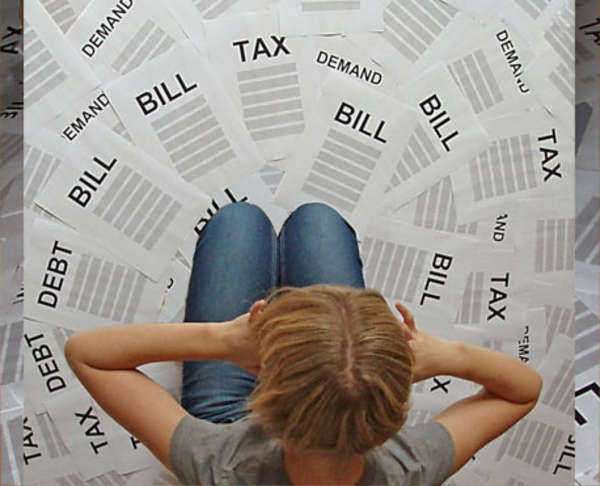
The Tax Debt Warning
Bankruptcy can be useful in many different situations in which someone is suffering from insurmountable debt. However, you should do some research before rushing out to the U.S. Bankruptcy Court in Hawaii to file for bankruptcy if your primary debt is tax debt. Most tax debt is not covered by Hawaii bankruptcy laws, though some types of tax are. Research and consult a Hawaii bankruptcy lawyer to decide what is best for you.