Definition of Consumer Credit
📅 2026 Update: Recent Changes in U.S. Bankruptcy Law
Since the original article was written, there have been no specific updates in fees, forms, or eligibility for U.S. bankruptcy law reported. However, resources for navigating bankruptcy have become more accessible to the public. The article continues further down the page, discussing the foundational aspects of consumer credit and bankruptcy.
📜 Changes in Bankruptcy Resources
- 🏛️ U.S. Courts Official Website: The site now offers clearer guidance on different bankruptcy chapters, available forms, and procedures. This change aims to help individuals understand their options better when facing bankruptcy.
🆕 Adjustments in the U.S. Trustee Program
- ⚖️ U.S. Department of Justice – U.S. Trustee Program: The program continues to provide critical guidance on bankruptcy laws, including eligibility and filing processes. Their resources include steps to follow when filing for Chapter 7, Chapter 11, or Chapter 13.
🏢 Legal Aid Organizations
- 🤝 Legal Aid Organizations: Many states have legal aid societies that provide free or low-cost legal help to individuals dealing with bankruptcy. These organizations can assist with paperwork and understanding the law.
📚 National Consumer Law Center (NCLC)
- 📖 National Consumer Law Center: This nonprofit organization remains a key resource for information on consumer bankruptcy. They provide educational materials and support to help consumers navigate their financial challenges.
📌 Key Points to Remember
- 📌 Bankruptcy resources are more accessible.
- 🏛️ U.S. Courts provide clearer guidance.
- ⚖️ U.S. Trustee Program continues to support bankruptcy navigators.
- 🤝 Legal aid organizations offer free assistance.
- 📖 NCLC is a vital resource for consumer education.
💡 Tips for Navigating Consumer Credit and Bankruptcy
Review the details of your situation with your attorney to ensure you understand your options.
📄 Know Your Bankruptcy Options
- 📊 Chapter 7, Chapter 11, and Chapter 13: Understand the differences among these chapters. Each has its own requirements and implications for debtors, which can affect your financial future.
🔍 Use Available Resources
- 📋 Check the U.S. Courts Website: This site provides updated information on bankruptcy procedures, forms, and eligibility criteria. It's a reliable starting point for anyone considering bankruptcy.
📞 Seek Free Legal Assistance
- 🆓 Look for Legal Aid: Many states offer legal aid services. These organizations can assist you in understanding bankruptcy laws and help you fill out necessary forms.
📖 Educate Yourself
- 📚 Explore NCLC Materials: The National Consumer Law Center offers resources on consumer bankruptcy. These materials can help you understand your rights and options.
🏷️ Understand Consumer Credit After Bankruptcy
- 🔄 Impact on Future Credit: Bankruptcy can affect your credit score and future borrowing. Understanding this impact can help you make informed decisions about rebuilding your credit.
🏆 Free Options Ranked by User Reviews (2026)
No national paid services in this area have met the review threshold for inclusion. Instead, this section lists free government and nonprofit resources that provide assistance with bankruptcy.
🥇 1. U.S. Courts Official Website
The U.S. Courts website serves as a comprehensive source of information about bankruptcy. It offers details on Chapter 7, Chapter 11, and Chapter 13, along with necessary forms and procedures.
This resource is useful for anyone looking to understand bankruptcy options.
🥈 2. U.S. Department of Justice – U.S. Trustee Program
The U.S. Trustee Program provides important guidance on bankruptcy laws. They help individuals understand the eligibility criteria and the filing process, making it easier for them to navigate their bankruptcy journey.
🥉 3. National Consumer Law Center (NCLC)
NCLC is a nonprofit organization dedicated to consumer rights. They offer resources and educational materials focused on consumer bankruptcy, helping individuals understand their rights and navigate the complexities of the law.
4️⃣ Legal Aid Organizations
Legal aid organizations offer essential support to individuals facing bankruptcy. They provide free or low-cost legal assistance, helping clients with paperwork and understanding their options under bankruptcy law.
🔎 What to Check Before Paying for Help
- 💸 Verify credentials of any service.
- 📜 Ensure they are transparent about fees.
- 🗂️ Check for reviews or testimonials.
- 🔍 Look for nonprofit or government affiliation.
❓ Frequently Asked Questions
❓ What is the means test in bankruptcy?
The means test is used to determine if you qualify for Chapter 7 bankruptcy. It compares your income to the median income in your state to assess eligibility.
💳 How does bankruptcy affect my credit score?
Filing for bankruptcy can significantly impact your credit score, typically lowering it. The exact effect depends on your credit history and the type of bankruptcy filed.
🏦 Can I keep my property during bankruptcy?
Certain exemptions allow you to keep specific property during bankruptcy. The types of exemptions depend on the bankruptcy chapter and state laws.
📅 How long does bankruptcy stay on my credit report?
Bankruptcy can remain on your credit report for up to 10 years, depending on the chapter filed. This duration can affect your ability to secure loans during that time.
📞 What should I do if I am denied bankruptcy?
If your bankruptcy filing is denied, you can review the reasons for denial and consider filing an appeal. Consulting with a legal expert may help in determining your next steps.
📚 Where can I find more information on bankruptcy?
For more information, check the U.S. Courts Official Website or the National Consumer Law Center. Both resources provide valuable insights into bankruptcy laws and procedures.
⚖️ Recent Cases Related to Bankruptcy
Recent court rulings continue to shape the landscape of U.S. bankruptcy law, affecting consumer rights and options.
- Court rules on attorney discharge in personal injury caseAppellate Division of the Supreme Court of the State of New York · August 12, 2026
- Ohio Appeals Court upholds conviction for firearm dischargeOhio Court of Appeals · September 8, 2026
- Court affirms discharge of personal representative in estate caseDistrict Court of Appeal of Florida · September 9, 2026
- Texas Appeals Court Rules on Bankruptcy Trustee's AppealTexas Court of Appeals, 6th District (Texarkana) · August 31, 2026
To stay informed, browse more rulings on the news page.
End of October 2026 Update
Almost ubiquitous in this day and age are paid advertisements and other offers targeted at debtors in need of relief from creditors and lenders. Often, a loud voice will be expressing with some urgency the value of a particular company's services and what soliciting their help may do for one's desire to improve his or her credit.
Consumer credit is that of funds, specific items or specific services extended to the consumer in exchange for later payment in accordance with an established, signed agreement and based on agreed-upon dates of return. Commonly, consumer credit services that afford people such privileges include banks, car dealers, credit card companies, and retailers. In of itself, consumer credit lacks value unless it is attached to a particular credited item. Only then will a dollar amount become realized in securing that asset. In dealing with consumer credit services, one must generally repay the principal amount borrowed plus a percentage of interest.
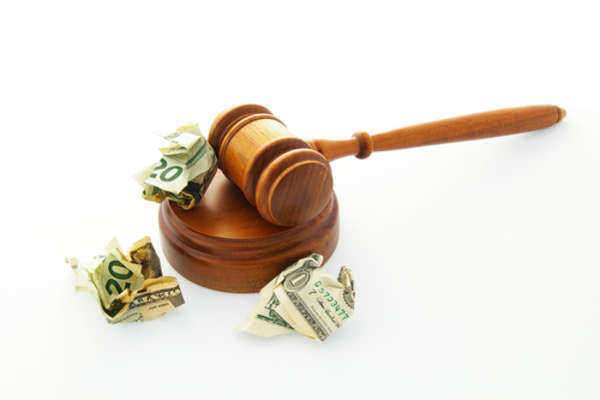
Overall, consumer credit, owing to its convenience to downright necessity, is an important economic force in the United States and abroad. However, for the individual it may prove rather dangerous. Consumers who are not watchful of their use of credit and spend their money recklessly may find they have accrued a significant amount of debt in a short amount of time. Plus, in some instances, any error on their part may be compounded by unlawful, unethical business practices on the part of consumer credit services.
Debtors and borrowers should be held accountable for their financial decisions when appropriate. Just the same, lenders and credit agencies should not be given a free pass, especially not when they deliberately deceive their customers. Along these lines, an array of laws and organizations exist for the benefit of the disenfranchised consumer. Legislative enactments such as the Consumer Credit Protection Act and the efforts of the FTC and FDIC epitomize the public's desire for equity in borrowing and lending.